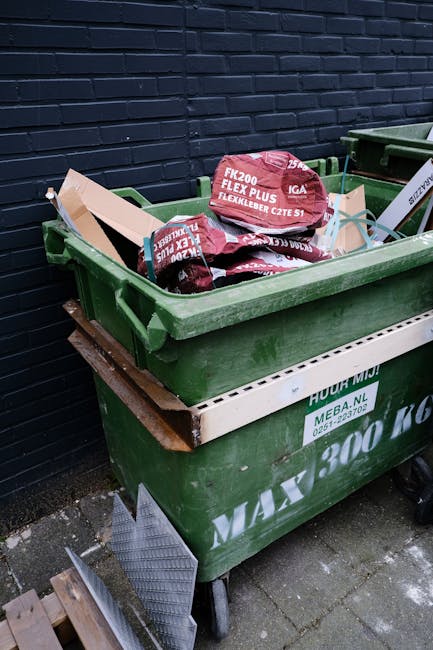
Islington Angel rubbish collection guide N1
If you live, work, or manage a property around Angel and the wider N1 area, rubbish soon becomes one of those things you cannot ignore for long. A couple of bags by the front door, a broken wardrobe in the hallway, builders' debris after a quick refit, or a full flat clear-out before a move can turn a tidy space into a stressful one very quickly. This Islington Angel rubbish collection guide N1 is here to make the whole process clearer, calmer, and a lot more practical.
We will walk through how rubbish collection works in this part of North London, what people usually forget, how to choose the right disposal route, and where services like rubbish collection, rubbish removal, and waste collection fit into the picture. You will also find a simple checklist, a comparison table, and a few real-world tips that save time, hassle, and the occasional awkward stairwell shuffle. Let's face it, nobody wants to be carrying a heavy sofa down three flights of stairs at 7:30 on a wet Tuesday.
Expert summary: If your waste is a few bin bags, follow normal household disposal routes. If it is bulky, mixed, heavy, or time-sensitive, a professional collection or clearance service is often the more efficient option, especially in dense parts of N1 where access and parking can complicate things.
Why Islington Angel rubbish collection guide N1 Matters
Angel sits in a part of Islington where streets can be busy, properties are often compact, and storage space is usually limited. That combination makes waste management feel more urgent than it would in a house with a garage or a big side passage. In a flat above a shop, a shared building, or a conversion with tight stairs, even normal rubbish can become a nuisance if it is left too long.
This matters for a few practical reasons. First, clutter affects safety. Cardboard, broken furniture, and loose bags can block hallways, attract pests, or simply make life more awkward than it needs to be. Second, the wrong disposal approach can waste time. A quick bit of planning usually saves a second trip, a missed collection window, or a half-finished clear-out that drags on for days. Third, good rubbish handling protects neighbours and keeps communal spaces presentable. In a place like N1, that goes a long way.
There is also the cost of delay. A small pile of waste rarely stays small. A flattened box pile becomes packaging from the next delivery. One broken chair turns into a whole furniture shuffle. Before you know it, you are no longer talking about rubbish collection, but a proper clearance job. That is where sensible planning helps, and where services such as rubbish clearance and waste clearance can be useful.
Local reality: in busy parts of Angel, the main challenge is not just what to remove, but when and how to remove it without getting in everyone's way.
How Islington Angel rubbish collection guide N1 Works
In plain English, rubbish collection means moving unwanted items from your property to the correct disposal route. That may be your normal household bins, a council-style disposal route, a recycling stream, or a private collection service. The right option depends on the type of waste, how much there is, and whether it can be lifted, sorted, and removed safely.
For standard domestic rubbish, the process is usually straightforward: separate what can be reused, recycle what should be recycled, and bag the rest properly. For bulky items, you may need a specialist service. That is especially true for heavy furniture, awkward appliances, or mixed loads from a flat move, refurbishment, or office clear-out. If you are dealing with a sofa, bed base, filing cabinets, or several bags of mixed waste, a dedicated service such as furniture disposal or office clearance may make more sense.
Most collection jobs follow the same broad pattern:
- You identify the waste type and volume.
- You decide whether it needs recycling, reuse, specialist handling, or general disposal.
- You arrange the collection time or prepare the waste for your chosen route.
- The waste is removed, loaded, and transported to the appropriate facility or transfer point.
- Any reusable or recyclable material is separated where possible.
That is the basic flow. Sounds simple, and often it is. The complications usually come from access, parking, narrow stairwells, or not knowing what counts as ordinary rubbish versus bulky waste. Those little details are what trip people up.
Key Benefits and Practical Advantages
A well-planned rubbish collection approach in Angel and N1 does more than just remove clutter. It makes day-to-day life easier, which sounds obvious, but it really is the point.
- Less stress: you know what is going, when it is going, and who is handling it.
- Better use of space: small homes and flats feel bigger almost immediately once the waste is gone.
- Safer access: clear hallways and stairs reduce trip hazards and awkward lifting.
- Fewer repeat journeys: one organised collection is usually better than three improvised runs to a disposal point.
- More suitable for bulky items: not everything can be squeezed into a bin bag or a hatchback.
- Useful for time-limited projects: moves, refurbishments, end-of-tenancy jobs, and office changes often need fast turnaround.
There is another benefit people overlook: momentum. Once the rubbish is out of the way, everything else feels easier. You can clean properly, sort what is staying, and actually finish the job. That matters in a busy household, and it matters even more if you are trying to hand back keys or reopen a workspace on time.
If you are managing heavier loads, you may also want to look at specific services like house clearance, home clearance, or even flat clearance depending on the setting. Each one suits a slightly different kind of mess, honestly.
Who This Is For and When It Makes Sense
This guide is useful for a wide range of people around Angel, Islington, and the N1 postcode. If you have ever stood in a room and thought, "right, where on earth do I start with this lot?", you are in the right place.
It makes sense for:
- tenants clearing out before a move
- landlords preparing a property for new occupants
- homeowners dealing with accumulated clutter
- flat owners with limited storage or difficult access
- shop owners or office managers with regular disposal needs
- people finishing a renovation or decorating project
- anyone with bulky items that are too awkward for normal bin collection
It is also useful when you need something removed quickly but do not want to overdo it. Maybe it is just a sofa, two chairs, some boxes, and an old rug. That is not a full house clearance, but it is still more than standard bin day. In that kind of middle ground, a dedicated rubbish collection or furniture removal solution can be the neatest answer.
And yes, sometimes the best time to act is before the pile becomes emotionally larger than it actually is. We have all done the "I will sort it next weekend" thing. Then next weekend arrives with rain, errands, and a half-empty cuppa. The rubbish remains. Very rude of it.
Step-by-Step Guidance
Here is a clear way to tackle rubbish collection in Angel without overcomplicating it.
1. Identify what you actually need removed
Start with categories. General rubbish, mixed waste, bulky furniture, garden cuttings, DIY debris, office items, or electronic waste all follow different handling expectations. You do not need to make it perfect, but you do need a rough list.
2. Separate reusable and recyclable items
It is worth taking ten minutes to split out what can be reused or recycled. Cardboard, clean timber, metal pieces, and some furniture in decent condition often have a different route from general waste. If you are clearing a shed or spare room, a little sorting goes a long way.
3. Measure the scale of the job
Look at volume, weight, and access. A single awkward sofa on the ground floor is one thing. A sofa, a mattress, and six heavy bin bags from a third-floor flat is another. If you have a lot of mixed material, rubbish removal is often easier than trying to patch together several smaller solutions.
4. Check access and parking before collection day
This is where many jobs go sideways. Can a van stop nearby? Is there lift access? Are there narrow stairs? Is the waste stored safely until pickup? In a dense area like Angel, these details are not a side note. They are the job.
5. Prepare the items properly
Bag loose waste securely, tape sharp edges, flatten cardboard, and keep items together by type if you can. If a load includes furniture, empty drawers and remove anything personal. A small thing, but it saves a headache later.
6. Choose the right collection route
For simple household waste, a standard disposal route may be enough. For bulky, messy, or time-sensitive waste, consider a dedicated collection or clearance option. If your job includes a sofa, for example, sofa removal can be far more practical than wrestling with it yourself through a narrow landing.
7. Confirm what happens after collection
Ask yourself: is the waste being disposed of, recycled, sorted, or cleared as mixed material? You do not need a dissertation on it, just a reasonable sense that it will be handled properly. That reassurance matters.
Expert Tips for Better Results
After many jobs like this, one pattern stands out: the people who prepare well usually feel much happier on the day. Not always because the job is easier, but because they are not making decisions under pressure.
Practical tips that really help:
- Keep one "maybe" pile separate from the definite waste pile.
- Do not overfill bags. Heavy bags split at the worst possible moment, usually at the bottom of the stairs.
- Take photos of bulky items before collection if you are comparing options.
- Measure large items against doorways and stair turns if access is tight.
- If the job is part of a bigger clear-out, remove the largest items first. It changes the feel of the room straight away.
- Plan for noise and movement in shared buildings. A little courtesy goes a long way.
One more thing: if the waste smells, is damp, or has been sitting around for a while, do not leave it any longer than necessary. The smell gets into fabrics and soft furnishings fast, especially in warmer weather. A morning collection can feel like a small miracle by lunchtime.
If your project is broader than a few bags, look at linked services such as waste removal or rubbish clearance so you can match the service to the actual job, not just the name on the page.
Common Mistakes to Avoid
Most disposal problems are not dramatic. They are just slightly careless, which is annoying because they are so preventable.
- Leaving it too late: waste builds up, access becomes messy, and collection becomes harder to organise.
- Mixing everything together: recyclable, reusable, and general waste all get muddled.
- Forgetting bulky items: people count bags but forget the wardrobe, desk, or broken shelf in the corner.
- Ignoring access: a collection plan that works on paper may fail in a tight stairwell.
- Not checking restrictions: some materials need separate handling, and some items should never be treated like ordinary rubbish.
- Underestimating volume: the pile always looks smaller until you start moving it.
Another mistake is assuming "it will sort itself out." Rubbish rarely does. It just sits there, quietly taking up space and judging you a bit.
Tools, Resources and Recommendations
You do not need much to manage rubbish well, but a few simple tools make the process far smoother.
- Heavy-duty bin bags: better for mixed light waste and small clear-outs.
- Sturdy boxes or crates: useful for books, paperwork, and breakables.
- Marker pen: label items as "keep," "recycle," or "remove" if the project spans a few days.
- Gloves: useful for lofts, garages, and anything dusty or splintery.
- Measuring tape: essential for furniture, appliances, and narrow access routes.
- Protective wrapping: helpful for sharp or awkward items.
For larger jobs, the most useful "resource" is not a tool but a clear service match. If you are dealing with business premises, business waste may be the better route. For renovation debris, builders waste is more appropriate. For a garage full of old bits and bobs, garage clearance can save a lot of back-and-forth.
And if you are not sure where your job fits, start with the broadest sensible service, then narrow it down. That is usually better than guessing wrong and having to start over.
Law, Compliance, Standards, or Best Practice
Waste handling in the UK is not something to be casual about. You do not need to become a legal expert, but you should follow normal best practice: keep waste contained, do not dump it illegally, and make sure anything removed from your property is handled by a responsible route.
For householders, the main points are straightforward. Do not leave rubbish where it blocks access or creates a nuisance for neighbours. Keep sharp, heavy, or hazardous items separated where appropriate. Be careful with anything that might need special handling, such as electrical goods, paint, chemicals, or broken glass. When in doubt, err on the cautious side.
For landlords, letting agents, and businesses, the expectations are even clearer. You need a tidy, safe, and predictable process for waste removal, especially when people are moving in and out or a commercial space is operating. A professional approach helps you avoid mess, complaints, and awkward delays. That is one reason many commercial clients prefer office clearance or structured business waste handling rather than ad hoc dumping.
Best practice in simple terms: sort the waste, store it safely, remove it promptly, and use a collection route suited to the material. If something feels awkward, heavy, contaminated, or unclear, treat it as a special case rather than forcing it into the wrong pile.
Options, Methods, or Comparison Table
Different jobs call for different methods. Here is a practical comparison that helps you choose without overthinking it.
| Option | Best for | Pros | Watch-outs |
|---|---|---|---|
| Standard household disposal | Small amounts of everyday rubbish | Simple, familiar, low effort | Not suitable for bulky or mixed loads |
| Recycling-first sorting | Cardboard, metal, clean reusable material | Efficient and tidy | Needs a bit of sorting time |
| Professional rubbish collection | Mixed household waste and awkward items | Fast, convenient, less lifting | Best value when volume justifies it |
| Specialist disposal service | Furniture, sofas, garden waste, builders debris | Matches the material properly | Choose the right service category |
| Full clearance | Moves, refurbishments, end-of-tenancy jobs | Most thorough, most time-saving | Can be more than you need for a small job |
For example, if you have one old sofa and a few bags, a targeted furniture or rubbish collection service may be enough. If you are emptying an entire flat after a move, a broader property clearance service is usually smarter. That is where house clearance and home clearance come into play.
Case Study or Real-World Example
Picture a typical Angel flat. Two bedrooms, a narrow hallway, one awkward turn on the stairs, and a front room that has quietly become a holding bay for a broken chair, old packaging, a bedside table, and a sofa that nobody quite likes anymore. Nothing dramatic. Just enough clutter to make the place feel smaller than it is.
The resident starts by separating obvious recycling, then bags the smaller waste. The sofa and chair are the problem items. They are too bulky for normal disposal and too awkward to leave until "some other time." Rather than trying to drag everything out over a few weekends, the resident arranges a single collection, clears access, and groups the items near the entrance. The job takes one morning instead of a whole week of grumbling and near-misses.
What changed? Not just the removal itself. The decision to treat the bulky items differently made the whole project feel manageable. The room became usable again, the hallway was clear, and the resident could clean properly without stepping around furniture. That is the real value of a well-planned rubbish collection approach: it reduces the number of moving parts.
It sounds mundane, and it is. But mundane is good here. Mundane means smooth.
Practical Checklist
Use this checklist before collection day. It will save you at least one last-minute scramble, probably two.
- Identify the type of waste: general, bulky, mixed, garden, builders, or business.
- Separate anything reusable or recyclable.
- Remove personal items from drawers, cupboards, and boxes.
- Check access routes, stairs, lifts, and parking space.
- Flatten cardboard and bag loose waste securely.
- Keep sharp or breakable items wrapped or contained.
- Group items together so they can be loaded efficiently.
- Confirm the collection time and make sure someone can provide access.
- Choose the right service: collection, removal, clearance, or specialist disposal.
- Leave the area tidy once the waste has gone.
If your project also involves outdoor spaces, garden clearance may be a better fit than general waste collection. And if it is a lot of mixed clutter from a shed, loft, or spare room, a broader waste disposal or clearance route can be easier to manage.
Conclusion
Islington Angel rubbish collection does not need to be complicated. The key is to match the waste to the right method, prepare the load properly, and avoid letting small piles turn into bigger problems. In a busy N1 setting, that simple approach usually beats improvisation every time.
Whether you are clearing a flat, managing bulky furniture, tidying after a project, or dealing with regular business waste, the smartest move is the one that saves time without creating more mess. Keep it practical, keep it safe, and keep it moving. A tidy space changes the mood of a place more than people expect, honestly.
If you need help with a straightforward pickup or a larger clearance job, choosing the right service at the start is half the battle. The rest is just getting it done well.
Get a free quote today and see how much you can save.
Frequently Asked Questions
What does a rubbish collection service in Angel usually include?
It usually includes the collection, loading, and removal of unwanted waste from your property, with the exact scope depending on the type of rubbish and the service you choose.
Is rubbish collection in N1 suitable for bulky items?
Yes, provided the service is set up for bulky waste. Items like sofas, wardrobes, tables, and bed frames are often handled through specialised collection or furniture disposal.
How do I know whether I need rubbish removal or a full clearance?
If you have a few items or a moderate mixed load, rubbish removal may be enough. If you are emptying rooms, a whole flat, or a property, a fuller clearance service is usually more appropriate.
Can I mix general waste with furniture and builder's debris?
You can sometimes have a mixed load collected, but it is better to identify the materials clearly. Mixed waste often needs the right vehicle, loading plan, and disposal route.
What should I do before collection day?
Sort the items, clear access routes, remove personal belongings, and make sure the waste is grouped neatly. A few minutes of prep saves a surprising amount of hassle.
Is same-day rubbish collection possible in Angel?
Sometimes, yes, depending on availability and the size of the job. The best approach is to enquire early and be clear about what needs removing.
Do I need to separate recycling before a collection?
It helps a lot. Separating cardboard, metal, clean timber, and reusable items can reduce waste and make collection more efficient.
What if I only have one sofa or mattress to remove?
That is a common job. A targeted service such as sofa removal or a similar bulky-item collection is often the simplest solution.
Can rubbish collection help with end-of-tenancy clean-outs?
Yes. End-of-tenancy jobs often involve a mix of bags, furniture, and leftover items, so a collection or clearance service can save time and stress.
What are the main mistakes people make with waste disposal in N1?
The biggest mistakes are leaving it too late, mixing everything together, forgetting access issues, and underestimating how much there is.
Is office waste handled differently from household rubbish?
Often, yes. Office waste may involve paper, equipment, storage units, furniture, or confidential material, so it is usually better handled through business waste or office clearance routes.
How can I prepare for a collection in a flat with narrow stairs?
Measure the larger items, clear the staircase, and keep the route unobstructed. For very awkward items, it is worth discussing access before the day so there are no nasty surprises.
Where should I start if I am not sure what kind of waste I have?
Start by grouping the waste into broad types: general, bulky, green, builders, or office. From there, it becomes much easier to choose the right collection method.