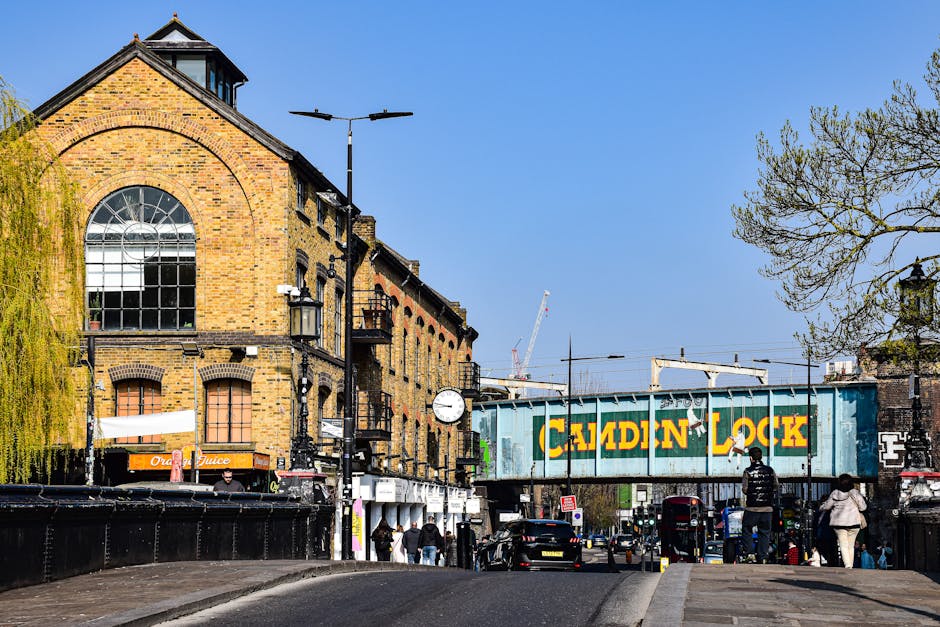
Camden Town rubbish removal guide for N1 streets

If you live, work, or manage a property near Camden Town and the N1 streets around it, rubbish removal can feel oddly more complicated than it should. One overflowing hallway, a broken sofa on the second floor, or a pile of builder's waste after a tidy-up can suddenly become a logistics problem. In a tight London setting, the details matter: access, timing, what can be lifted safely, and how quickly the waste can be taken away without causing hassle for neighbours or blocking the pavement.
This Camden Town rubbish removal guide for N1 streets is designed to make that process clearer. You'll find a practical breakdown of how rubbish clearance works, what to expect, common mistakes, and how to choose the right approach for flats, shops, offices, and busy shared properties. No fluff. Just the kind of grounded advice that helps you get it done properly the first time.
- Why it matters
- How rubbish removal works
- Key benefits and practical advantages
- Who this is for and when it makes sense
- Step-by-step guidance
- Expert tips for better results
- Common mistakes to avoid
- Tools, resources and recommendations
- Law, compliance and best practice
- Options, methods or comparison table
- Case study or real-world example
- Practical checklist
- Conclusion
- Frequently asked questions
Why Camden Town rubbish removal guide for N1 streets Matters
In Camden and the surrounding N1 streets, waste builds up quickly. Flats get cleared between tenants. Small businesses replace stock, shelving, packaging, and broken fittings. Builders and decorators leave behind dust, plasterboard, timber offcuts, and packaging that cannot just be shoved into a regular bin. And because the area is dense, busy, and often short on space, even a modest amount of rubbish can become awkward very quickly.
Why does that matter? Because poor rubbish handling affects more than just appearance. It can create trip hazards, attract pests, annoy neighbours, and slow down move-outs or refurbishments. In a street where cars already compete for space and loading is tight, leaving waste unmanaged for even a few hours can turn into a real headache. Truth be told, a lot of the stress comes not from the rubbish itself, but from not planning the removal properly.
That's especially true for homes and commercial properties near Camden Town where shared entrances, narrow stairwells, and limited kerb space are part of daily life. The right rubbish removal approach reduces disruption, keeps the place safe, and helps you move on with your day without dragging the problem out. A good process is not glamorous. It is simply efficient, and that counts for a lot in London.
How Camden Town rubbish removal guide for N1 streets Works
Rubbish removal usually starts with sorting what needs to go. That sounds obvious, but it's where many jobs either become easy or turn messy. Household waste, furniture, garden cuttings, office clutter, and builder's debris often need different handling. You'll also want to separate anything that requires special care, such as electrical items, paint tins, or sharp objects.
In practice, a typical removal job follows a simple flow:
- Assessment: You identify the items, volume, access points, and any obstacles like stairs, parking, or restricted entrances.
- Loading plan: Items are grouped so the team can remove them efficiently, often from top floors, basements, or rear access if available.
- Collection: Waste is lifted, loaded, and taken away in one visit where possible.
- Sorting and disposal: The load is then separated for reuse, recycling, or disposal according to the type of waste.
That process becomes especially important on N1 streets because access can be the real challenge, not the rubbish volume. A bed frame might be easy to remove from a ground-floor flat. The same bed frame from a fourth-floor walk-up, on a road with no obvious place to stop, is another story entirely. One of the most useful things you can do is walk through the job mentally before collection day. Where will the waste come from? Where can it be carried? What might snag on a corner? Small question, big difference.
If you're dealing with larger household clear-outs, the broader house clearance service can be useful for full-property removals, while flats and smaller homes often fit better with flat clearance. For mixed household rubbish, rubbish removal or rubbish clearance is usually the most straightforward route.
Key Benefits and Practical Advantages
Good rubbish removal is about more than getting rid of stuff. It improves how a property functions, how quickly a room becomes usable again, and how much disruption everyone around you has to live with.
- Time saved: You avoid multiple trips to the tip, awkward lifting, and several hours of sorting.
- Safer spaces: Clear floors and corridors reduce slips, trips, and blocked exits.
- Less neighbour friction: In flats and terraces, people notice clutter fast. Keeping shared areas clear helps everyone.
- Better for busy schedules: A single scheduled collection is easier to manage than trying to do it piece by piece.
- Suitable for awkward items: Bulky furniture, appliances, and mixed waste are much easier to deal with in one coordinated visit.
There's also the mental relief. That sounds soft, but it's real. A cluttered flat or shop back room can drain your attention every time you walk past it. Once the waste is gone, the whole place feels lighter. You notice the echo in the hallway, the clean line of the wall, the extra half-metre of floor space. It's a small thing and a big thing at the same time.
For bulky items, furniture disposal can be a smart option, and for sofas specifically, sofa removal avoids the awkward job of wrestling a heavy item down tight stairs. If your load includes end-of-life items from a business or worksite, a specialised route like business waste or builders waste can make the process more efficient.
Who This Is For and When It Makes Sense
This guide is for anyone in or around Camden Town and N1 streets who needs waste removed without the drama. That includes private residents, landlords, letting agents, shop owners, office managers, tradespeople, and anyone trying to clear a space before a deadline.
It makes sense if you are:
- moving out of a flat and need the last bits gone quickly
- clearing furniture after a replacement delivery
- tidying a garage, basement, loft, or storage room
- dealing with post-renovation debris after a small building job
- emptying an office, back room, or stock area
- preparing a property for sale, rental, or inspection
Sometimes people think rubbish removal is only for "big jobs". Not really. A few broken chairs, a mattress, and three bags of mixed clutter can still justify a proper collection if you want the space cleared fast and safely. Other times, the load is substantial enough that a wider service is more appropriate, such as home clearance, office clearance, or garage clearance.
If you manage a property near other North London areas, it can also help to look at broader local coverage such as North London rubbish support or the surrounding neighbourhood pages, depending on where the collection starts. That's often useful when the job crosses postcodes or involves multiple pick-up points. You know how London properties can be - one place is a flat, another is a storage cupboard, and somehow the waste ended up in both.
Step-by-Step Guidance
Here is a simple, practical way to handle rubbish removal on Camden and N1 streets without overcomplicating it.
- Make a full list of what needs removing. Be specific. "Old stuff" is not enough. Write down sofas, bags, cartons, broken units, garden waste, or renovation debris.
- Separate the waste into rough categories. Group furniture, general rubbish, recyclable material, and anything that may need special handling.
- Check access. Measure doorways if you suspect an item is awkward. Note stair counts, lift size, parking limits, and whether the property has rear access.
- Decide what must go first. If the collection is part of a move or refurb, prioritise the items that unblock the room.
- Prepare the space. Move small items out of the way, keep hallways clear, and make sure the team can work safely.
- Confirm any special items. Mention fridges, freezers, mattresses, glass, or electricals in advance if they are included.
- Plan for the day itself. Keep your phone handy, reserve access where possible, and give yourself a bit of breathing space. Jobs on busy streets rarely feel calmer if you are rushing.
A useful habit is to stage items near the exit only if it remains safe and practical. In a shared stairwell, do not block escape routes or common access. It sounds obvious, but in a rush people do odd things. Everyone has done the "I'll just leave this here for a minute" move. Then the minute becomes the afternoon.
If you are removing one or two bulky pieces, a focused service such as furniture disposal may be all you need. If the job also involves broader mixed waste, waste removal, waste collection, or waste disposal may suit better depending on the load and access.
Expert Tips for Better Results
After plenty of real-world collections, a few habits consistently make rubbish removal smoother.
- Photograph the load before collection: It helps you stay organised and makes it easier to judge the volume properly.
- Keep sharp and fragile items visible: Don't bury glass, broken timber, or metal edges in a bag where they can surprise someone later.
- Protect the route: If you have narrow corners, put down temporary protection or clear the route in advance where appropriate.
- Tell the team about access quirks: A side alley, coded door, basement steps, or parking restriction can change the plan completely.
- Think in layers, not piles: A pile is just a pile. A sorted load is faster to handle and more likely to be processed correctly.
One small but important tip: if you are clearing a property in winter, damp weather can make cardboard, upholstery, and timber heavier than expected. It's not dramatic, but you will notice it when lifting. London drizzle has a way of making simple jobs feel about 20% more annoying.
For garden-heavy jobs, a dedicated garden clearance option can be more sensible than a general waste job, especially if the load includes soil, branches, hedge cuttings, and broken outdoor items. For smaller clutter or mixed household rubbish, waste clearance is often the neat middle ground.
Common Mistakes to Avoid
A lot of collection problems are preventable. The mistakes below are the ones that tend to create delays, extra lifting, or awkward conversations on the pavement.
- Underestimating volume: Bags, boxes, and dismantled items always seem smaller when they are scattered around the room. Once grouped together, the load can be much bigger.
- Forgetting access limitations: Narrow stairs, no lift, or restricted parking can seriously affect the job.
- Mixing unsuitable items: Don't assume everything can be handled the same way. Some waste needs separate treatment.
- Leaving everything to the last minute: That's a classic. The job then lands in the same time window as deliveries, cleaners, or tenants arriving.
- Blocking communal areas: Shared hallways in flats need to stay usable. Nobody likes a corridor obstacle course.
Another common issue is poor communication about what actually needs taking. A customer might say "just the rubbish", but then there's also an old wardrobe, a pile of broken shelving, and a couple of awkward bags in the shed. That's not a problem if it's known upfront. It is a problem if everyone discovers it at the door. Better to over-explain than under-explain, honestly.
Tools, Resources and Recommendations
You do not need a van full of specialist kit to organise rubbish removal, but a few simple tools make planning easier and safer.
- Tape measure: Useful for checking whether furniture or appliances will fit through internal doorways.
- Marker pen and bags: Handy for labelling "keep", "recycle", "remove", or "fragile".
- Work gloves: Helpful if you are shifting small items before collection day.
- Mobile photos: A few quick pictures help with planning and reduce surprises.
- Access notes: Write down door codes, parking restrictions, or loading constraints so nothing gets forgotten.
For larger household clear-outs, the most relevant supporting services are usually home clearance and house clearance. For rented flats or multi-storey buildings, flat clearance is often the better fit. For trade waste, use a service aligned to the type of job, such as builders waste or business waste.
If the job involves a workplace rather than a home, office clearance is worth considering because it is built around desks, chairs, filing, packaging, and end-of-use equipment rather than general household clutter. Small detail, but it matters.
Law, Compliance, Standards, or Best Practice
When rubbish is being removed in London, compliance and best practice should be taken seriously. You do not need to become a legal expert, but you do need to avoid careless disposal. In plain English, that means making sure waste is handled responsibly, not dumped, and not left in a way that creates a hazard.
There are a few common-sense standards worth following:
- Do not leave rubbish where it blocks shared access. Stairwells, corridors, and entrances should stay clear.
- Keep hazardous or sharp items separate. Broken glass, nails, and splintered timber should be handled carefully.
- Be careful with electrical items and fixtures. These can require different handling from ordinary rubbish.
- Do not assume all waste is ordinary household waste. Mixed loads may include items that need specific attention.
- Use a responsible route for disposal. Reuse and recycling are preferable where practical, and disposal should be lawful and traceable.
For business premises, there is an added duty to keep operations tidy and reduce disruption to staff, clients, and neighbours. If you run a shop, studio, or office on a busy street, waste handling is part of the business environment, not an afterthought. The back room, the pavement, the loading spot - all of it needs to work together. That sounds bureaucratic, but it's really just good practice.
It is also sensible to confirm any special requirements in advance for mattresses, appliances, construction debris, or mixed commercial waste. Not every job needs the same handling, and that nuance helps avoid mistakes.
Options, Methods, or Comparison Table
There are several ways to tackle rubbish removal on Camden Town and N1 streets. The best option depends on access, volume, urgency, and the type of waste.
| Method | Best for | Pros | Watch-outs |
|---|---|---|---|
| Self-clearing in a car or van | Very small loads | Flexible, direct, familiar | Time-consuming, lifting risk, multiple trips |
| Bagged waste collection | Mixed household rubbish | Simple, tidy, straightforward | Can become bulky quickly |
| Furniture-focused removal | Bulky items, sofas, mattresses | Good for awkward lifting | Access and stairwell planning still matter |
| Full-property clearance | Moves, refurbishments, estate clears | Efficient for bigger jobs | Needs clear communication and scheduling |
| Trade or business waste collection | Shops, offices, worksites | More suitable for commercial loads | Waste type should be declared accurately |
As a rule of thumb, if you are dealing with more than a few items, or if the item list includes anything heavy, awkward, or messy, a dedicated collection service is usually the least stressful route. For example, a sofa, a broken wardrobe, and six sacks of old loft clutter can sound manageable until you try to carry them down a narrow stair in one go. That's the moment most people decide they'd rather not do it themselves. Fair enough.
Case Study or Real-World Example
A typical Camden/N1 scenario goes like this: a tenant moves out of a first-floor flat near a busy road and leaves behind a sofa, a bedside unit, several bin bags, and a pile of cardboard from a recent delivery. The hallway is narrow, the staircase turns sharply, and parking outside is limited.
The sensible approach is to sort the waste first, confirm which items are bulky, and make sure the collection window avoids the busiest part of the day. In practice, the sofa and furniture are taken via the widest route, while the bagged waste is handled separately so the stairwell is not clogged. The cardboard gets grouped with the lighter load, and the remaining space is checked before the team leaves. Nothing fancy. Just disciplined.
What made the job work was not speed alone, but preparation. The property manager knew what was going, the access was explained in advance, and the items were ready. As a result, the flat was cleared without dragging the process across two or three visits. That is usually what people want on these streets: a clean finish, not a long saga.
For a larger move-out, this kind of situation may sit between flat clearance and home clearance, depending on how much furniture and general waste is involved. If the same property also had a broken sofa or settee, sofa removal would fit neatly into the plan.
Practical Checklist
Use this quick checklist before collection day. It saves time and avoids silly mistakes.
- Make a full list of everything to be removed
- Separate bulky items from bagged waste
- Check stairs, lifts, doors, and access routes
- Confirm parking or loading restrictions
- Identify anything fragile, sharp, or unusually heavy
- Keep shared hallways and entrances clear
- Photograph the items if needed for planning
- Set aside items that should not be removed
- Make sure bins, bags, and boxes are easy to identify
- Have a contact number ready on the day
If you tick those boxes, the collection is usually much smoother. Simple is good. Simple and organised is better.
Get a free quote today and see how much you can save.
Conclusion
Camden Town rubbish removal on N1 streets is not just about lifting waste out the door. It is about choosing the right method, understanding access, planning for tight streets, and keeping the whole process safe and efficient. When you do that well, the result is immediate: less clutter, fewer delays, and a property that feels usable again.
If you are clearing a flat, a shop, an office, or a full household load, the right service can take a surprisingly heavy burden off your shoulders - literally and mentally. And once the rubbish is gone, the space tends to feel a bit more like yours again. That's the good bit.
When you are ready, it helps to start with a clear list, a realistic plan, and a service that suits the size and type of waste you have. The rest usually falls into place.
Frequently Asked Questions
What is the best way to arrange rubbish removal on Camden Town N1 streets?
The best way is to list the waste clearly, check access, and choose a collection method that matches the load. For bulky or mixed items, a dedicated rubbish removal service is usually the most efficient option.
Can I use rubbish removal for a few bulky items only?
Yes. You do not need a huge pile to make it worthwhile. A sofa, mattress, wardrobe, or a handful of heavy items can be enough to justify a collection, especially if stairs or access are awkward.
Is rubbish removal suitable for flats in Camden and N1?
Absolutely. In fact, flat clearance is often one of the most practical options because it handles stairs, shared entrances, and limited space much better than trying to move everything yourself.
What should I do with furniture I no longer want?
Furniture should be removed through a proper disposal route rather than left in communal areas. If it is a sofa or similar bulky item, sofa removal or furniture disposal is usually the cleanest solution.
How do I prepare for a collection in a narrow street?
Check where the waste will be carried from, whether parking or loading is possible, and whether the route inside the property is clear. A little preparation goes a long way in tightly packed London streets.
What if my rubbish includes builder's waste?
Builder's waste should be handled separately where possible because it is heavier and often more awkward than household rubbish. A builders waste service is more appropriate for rubble, offcuts, packaging, and renovation debris.
Do I need to sort my rubbish before collection?
Sorting is strongly recommended. It helps with safety, keeps the load organised, and makes the collection smoother. Mixed waste is fine in many cases, but separating obvious categories is still a good habit.
What are the most common problems during rubbish removal?
The biggest problems are underestimated volume, poor access planning, blocked stairwells, and unclear item lists. Most of these issues are avoidable if you plan the collection properly.
Can rubbish removal help with office or shop clearances?
Yes. Office clearance and business waste services are designed for desks, chairs, stock, packaging, filing, and other commercial items that are common in workplaces and retail settings.
How do I know whether I need waste collection or waste disposal?
In everyday language, the terms are often used closely together. Waste collection usually means the rubbish is picked up, while waste disposal refers to what happens after it is taken away. The practical choice depends on the type and volume of waste.
What if I also need help with a garage, garden, or whole property?
Then a more specific clearance service may be better. Garage clearance, garden clearance, home clearance, or house clearance can handle a wider range of items and are often the simplest route for larger jobs.
Are there best-practice rules I should follow in shared buildings?
Yes. Keep communal routes clear, avoid blocking exits, handle sharp or heavy items carefully, and make sure waste is not left in a way that inconveniences neighbours. Good manners and good practice usually go hand in hand here.
What is the next sensible step if I am not sure what service I need?
Start by making a short item list and noting access details. Then compare whether the job sounds like rubbish clearance, waste collection, furniture disposal, or a fuller clearance such as flat clearance or house clearance. That usually points you in the right direction fast.
And if you are still staring at the pile thinking, "right, where do I even begin?" - that is exactly the moment to slow down, sort the list, and take it one step at a time. It really is easier than it looks once the first decision is made.