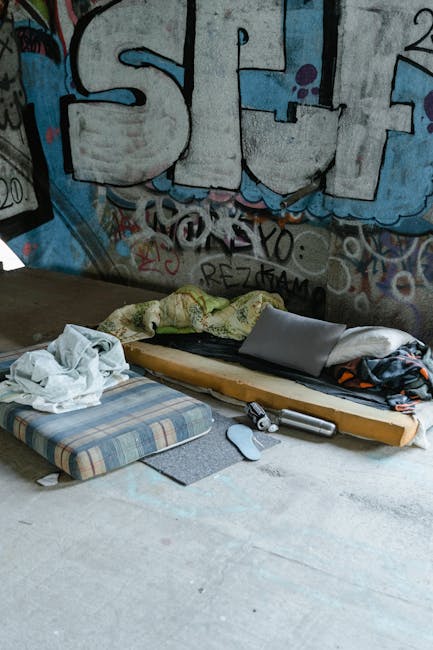
Alexandra Palace mattress and bulky rubbish removal advice

If you are staring at an old mattress wedged in a hallway, or a pile of bulky rubbish that has quietly taken over a spare room, you are not alone. In Alexandra Palace, space can disappear fast. One bulky item becomes two, then suddenly you are stepping around them for days. This guide gives straightforward Alexandra Palace mattress and bulky rubbish removal advice so you can clear things safely, legally, and without making the job harder than it needs to be.
We will cover how mattress and bulky waste removal works, what to check before you book anything, which mistakes to avoid, and when it makes sense to use a professional team. There is a practical side to it all, of course. But there is also peace of mind, and that matters when you just want the flat, house, or garage back to normal.
- Why it matters
- How it works
- Key benefits
- Who needs this service
- Step-by-step guidance
- Expert tips
- Common mistakes to avoid
- Tools and resources
- Law, compliance, and best practice
- Options and comparison
- Real-world example
- Practical checklist
- Conclusion
- Frequently asked questions
Why Alexandra Palace mattress and bulky rubbish removal advice Matters
Bulky waste is a different sort of problem from a black bag full of household rubbish. A mattress is awkward, heavy in all the wrong ways, and often dirty enough that nobody wants to keep touching it. A broken wardrobe, old sofa, bed frame, or water-damaged rug brings the same kind of challenge. It is not just about getting rid of it. It is about moving it out safely, knowing where it can go, and avoiding the kind of last-minute scramble that turns a simple clear-out into a stressful afternoon.
In the Alexandra Palace area, homes vary a lot. Some people are dealing with basement flats, some with family houses on tighter streets, and others with top-floor rooms where every stair matters. That changes the job. A mattress that looks manageable in a bedroom can become a nuisance the second you have to twist it through a narrow landing. Truth be told, that is where most problems start: not with disposal, but with access.
Good advice also matters because bulky waste is one of those jobs people underestimate. You might think, "It is only one mattress." Then you realise it will not fit in a car, it probably should not be dragged across shared hallways, and local disposal rules may not be as simple as they look. A bit of planning saves time, and often money too.
Practical takeaway: the best bulky rubbish removal is the one that avoids damage, avoids fly-tipping, and gets the item out in one clean move. That sounds simple. It often is, once you know what to do.
How Alexandra Palace mattress and bulky rubbish removal advice Works
At its core, bulky waste removal is a logistics job. You identify the items, decide how they should be handled, prepare them for collection, and choose the right disposal route. For mattresses, the process is usually a little more sensitive because of their size and material mix. Springs, foam, fabric, and fillings all need to be handled responsibly, and they are not something you want sitting out in damp weather for too long.
The practical process usually looks like this:
- Assess the items - note the size, number, and condition of the mattress or bulky rubbish.
- Check access - stairs, lifts, tight corners, parking, and whether the item needs dismantling first.
- Separate reusable from waste - sometimes a bed frame or chest of drawers can be reused, while the mattress must go for disposal.
- Choose the removal method - council collection, private bulky waste collection, or a full clearance service.
- Prepare the load - bag loose debris, tape sharp edges, and clear a route to the exit.
- Remove and dispose responsibly - the key part is making sure the waste goes to an approved facility or recycling route.
A lot of people ask whether mattress disposal is different from general rubbish removal. Yes, a bit. Mattresses are large, hard to compress, and not something you want to squash or leave exposed. They can also trap dust and odours, which is why it is sensible to wrap them if you are keeping them inside before collection. In a cramped flat, even an hour or two can make a difference.
If your bulky waste is part of a bigger clear-out, it may be worth looking at house clearance support or a broader rubbish clearance option rather than trying to manage item by item. That is especially true if the job has a mix of furniture, bags, and household bits. One appointment. Less faff.
Key Benefits and Practical Advantages
There is a reason people search for mattress and bulky rubbish removal advice rather than just trying to wing it. A proper approach gives you cleaner results and fewer headaches. You get the physical space back, but you also reduce the risk of injury, neighbour complaints, and avoidable delays.
- Safer lifting and handling: Mattresses are awkward, and bulky waste can have hidden weight in drawers, frames, or damp materials.
- Less disruption at home: The right removal plan means hallways and entrances are not blocked longer than necessary.
- Better compliance: Using a responsible disposal route helps reduce the chance of fines or issues linked to improper waste handling.
- More efficient clear-outs: Multiple bulky items can often be removed in one visit instead of several smaller jobs.
- Cleaner rooms, faster: If you are preparing a move, refurb, or tenant handover, bulky waste removal helps the place look ready sooner.
There is also a mental benefit people sometimes overlook. Seeing a dead mattress standing in the corner for two weeks can be oddly draining. Clear the item, and the room changes. It feels like progress. Simple, but true.
For bigger or mixed loads, you may also want to compare a one-off removal with more general waste removal support or scheduled waste collection, especially if there are several categories of items involved.
Who This Is For and When It Makes Sense
This advice is useful if you are dealing with one mattress, but it becomes especially helpful when the job is messy, time-sensitive, or awkward. To be fair, that covers a lot of real-life situations.
You may need mattress and bulky rubbish removal if you are:
- moving house and need to leave old furniture behind
- replacing a bed, sofa, or wardrobe and do not have transport for the old one
- clearing a rental between tenants
- tidying a garage, loft, or spare room that has become a storage zone
- dealing with damage from damp, pests, or wear and tear
- emptying a property after a renovation, probate matter, or long-term declutter
It also makes sense if the item is too bulky for your vehicle or too awkward for your stairwell. A mattress on its own may seem manageable until you actually tilt it around a landing with no turning space. Not ideal, and a little bit comic in hindsight. Not in the moment, though.
If the job is part of a larger clear-out, services like flat clearance, home clearance, or even furniture disposal may be a better fit than a single-item collection. The right choice depends on volume, access, and how quickly you need the space back.
Step-by-Step Guidance
Here is a practical way to handle an Alexandra Palace mattress and bulky rubbish removal job without overcomplicating it.
1. Walk the route first
Before moving anything, look at the path from the room to the exit. Check corners, door widths, stair turns, and anything that could snag. If the mattress is king-size or the item has rigid edges, measure twice. It saves a lot of muttering later.
2. Separate the materials
If the bulky rubbish includes mixed waste, split out what can be reused, recycled, or handled separately. For example, a bed frame can often be dismantled, while the mattress needs different handling. Broken glass, loose screws, and sharp staples should be picked up before anyone starts carrying.
3. Protect the property
Use gloves, blankets, cardboard, or moving covers where needed. In narrow hallways, one scratch on a wall can be more annoying than the whole removal job. Doors propped open at the wrong angle can also cause damage, so keep an eye on them.
4. Decide whether dismantling helps
A bed frame or bulky wardrobe is often easier to remove once dismantled. This is where a bit of patience pays off. If the item can be safely taken apart, do that before moving it through tight spaces. If not, leave it to a team that has the right tools and experience.
5. Choose the disposal route
For a single mattress or a small bulky item, a targeted collection may be enough. For more items, a broader rubbish removal service is usually more efficient. If you are dealing with rubbish plus old furniture, a service such as waste disposal or rubbish removal can be a better fit than piecing together several small arrangements.
6. Confirm what happens after collection
Ask where the items will go, whether they will be recycled where possible, and whether any special handling is needed. Responsible disposal is not just a nice extra. It is the whole point, really.
Expert Tips for Better Results
Over time, a few habits make these jobs much easier. Nothing flashy. Just the small things that stop a simple task turning into a sweaty afternoon and a scratched wall.
- Wrap the mattress if you can: A simple plastic cover or protective wrap keeps it cleaner and easier to handle, especially in shared hallways or during wet weather.
- Move loose bits first: Bed slats, side tables, and drawers should be taken out before the main item. It sounds obvious, but people forget under pressure.
- Keep a clear exit path: Shoes, bins, prams, and the usual hallway clutter make the job slower than it needs to be.
- Check parking and access in advance: If a collection team cannot stop close to the property, the lift and carry time can increase quickly.
- Be honest about item size: A "double mattress" can mean different things in different homes. Exact dimensions help avoid surprises.
- Book with the full load in mind: If you have one mattress today and three bags of old items tomorrow, it may be smarter to remove everything at once.
Here is a tiny but important one: if the mattress smells damp, do not leave it in a shared corridor while you "think about it." That smell tends to spread. Fast. You will notice.
For awkward items beyond mattresses, services like sofa removal and garage clearance are worth considering when bulky waste is part of a bigger clear-out.
Common Mistakes to Avoid
Most bulky rubbish problems come from a handful of avoidable mistakes. None of them are dramatic on their own, but together they create delays, extra cost, and sometimes safety issues.
- Leaving the item until the last minute: If you need a room cleared for moving day, do not leave the mattress in place until the night before.
- Guessing the size or weight: Bad measurements lead to the wrong vehicle, the wrong manpower, or an item that simply will not fit through the exit.
- Mixing waste types without sorting: A load with metal, textiles, wood, and general rubbish may need separate handling.
- Dragging items without protection: Floors, banisters, and walls take the hit if you skip basic protection.
- Using an unverified remover: If waste is dumped illegally, it can come back to haunt the person who arranged the clearance.
- Ignoring access restrictions: In Alexandra Palace, as in much of north London, tight streets and parking limits can make a small job feel larger than it is.
One of the sneakiest mistakes is assuming the mattress is the only issue. Often it is not. The base, headboard, broken slats, old bedding, and random box of bits under the bed all need dealing with too. Bit by bit, the pile grows.
Tools, Resources and Recommendations
You do not need a van full of equipment to manage bulky waste, but a few simple tools make life much easier. Think practical, not overdone.
| Tool or item | Why it helps | Best used for |
|---|---|---|
| Gloves | Protect hands from dust, staples, and rough edges | Any mattress or bulky waste handling |
| Protective wrap or mattress cover | Keeps the mattress cleaner and easier to move | Mattress disposal, wet weather, shared stairwells |
| Moving blankets or cardboard | Reduces scratches on walls and floors | Narrow corridors and staircases |
| Screwdriver or basic toolkit | Useful for dismantling bed frames or furniture | Bed bases, wardrobes, shelves |
| Heavy-duty bags | Contain loose rubbish and smaller mixed items | Soft furnishings, small clutter, general waste |
As a rule, the more mixed the waste, the more useful it is to look at a service that can handle different item types in one go. For example, if you are clearing old furniture plus a few bagged items, a combined waste clearance or rubbish collection approach may be more efficient than tackling the job piece by piece.
And if you are dealing with a whole room rather than one item, it may be worth looking at office clearance for workspaces or business waste for commercial premises. Different jobs, same principle: clear the load properly, then remove it responsibly.
Law, Compliance, Standards, or Best Practice
Bulk waste removal in the UK sits within a broader responsibility to handle waste properly. The details can vary depending on the type of waste, who is removing it, and where it is going. So it is wise to keep things simple and cautious rather than make sweeping assumptions.
For householders, the main practical point is this: do not hand waste to anyone who cannot explain how it will be disposed of responsibly. If you arrange a removal, you want confidence that the mattress or bulky rubbish will not end up fly-tipped in a layby, on a field edge, or dumped behind a shutter somewhere. Nobody wants that story attached to their address.
Good practice usually means:
- using a reputable waste carrier or clearance provider
- checking that the collection method suits the material type
- keeping evidence of what was removed if you need it
- avoiding overfilling bins or leaving bulky items in public areas
- staying within local rules on presentation, timing, and access for collection
If you are clearing a property in a managed building, there may also be building-specific rules about moving items through shared areas, using lifts, or leaving waste in communal spaces. In practice, that means a quick check with the landlord, managing agent, or building rules can save a lot of hassle.
The safest mindset is a boring one, honestly: remove it properly, document what matters, and do not guess on disposal. Boring is good here.
Options, Methods, or Comparison Table
There is no single best route for every mattress or bulky waste job. The right method depends on volume, access, timing, and how much effort you want to spend doing it yourself.
| Option | Best for | Pros | Limitations |
|---|---|---|---|
| DIY transport | Very small loads, easy access, suitable vehicle available | Can be low-cost if you already have transport | Heavy lifting, possible vehicle damage, disposal site rules can be tricky |
| Council bulky waste collection | Simple household items, planned jobs, flexible timing | Often straightforward for residents | May involve booking lead times and item restrictions |
| Private bulky rubbish removal | Urgent, awkward, or mixed loads | Convenient, fast, handles lifting | Usually depends on volume and access, so pricing varies |
| Full clearance service | Multiple rooms, large furniture, or end-of-tenancy clear-outs | Efficient for bigger jobs, often one visit | May be more service than you need for a single item |
For a single mattress in easy reach, a simpler collection may be enough. For a pile of bulky rubbish with mixed materials, a more complete waste removal or rubbish removal service is usually the cleaner choice. The goal is not to buy the biggest service. It is to choose the right one.
Case Study or Real-World Example
Picture a typical Alexandra Palace flat: one double mattress, a broken divan base, two old chair frames, and a bag of mixed clutter from under the bed. The hallway is tight, the building has a shared entrance, and there is only a small window between work calls.
The first temptation is to drag everything out at once and hope for the best. That rarely goes well. In a more sensible version of the same job, the mattress is wrapped, the bed frame is dismantled, loose fittings are bagged, and the route to the door is cleared before any lifting starts. The bulky items are moved in stages, not in one chaotic shuffle. Calm beats fast here, almost every time.
What changed? Mainly planning. The item count was the same, but the person doing the job had thought through access and disposal before starting. The result was less noise, less stress, and no extra damage to the walls near the stair bend. A small thing, maybe. But small things are what save a job like this.
If there had been more furniture to remove, a service linked to furniture disposal or garage clearance would have made even more sense. That is the real lesson: match the method to the amount of stuff, not to wishful thinking.
Practical Checklist
Use this quick checklist before you move or book anything. It keeps the job grounded.
- Measure the mattress or bulky item
- Check stairwells, lifts, and narrow corners
- Remove bedding, drawers, loose parts, and small items
- Decide whether dismantling would help
- Protect floors, walls, and door frames if needed
- Confirm the disposal route before collection day
- Keep access clear for the removal team or vehicle
- Separate reusable items from waste where possible
- Make sure any shared-building rules are followed
- Double-check timing so the item is not left sitting out too long
If you can tick those off, you are already ahead of most rushed clear-outs. Honestly, that is half the battle.
Get a free quote today and see how much you can save.
Conclusion
Alexandra Palace mattress and bulky rubbish removal advice comes down to three things: plan the move, choose the right disposal route, and do not underestimate awkward access. That is especially true in homes where staircases are tight, parking is limited, or the items are mixed and bulky rather than neat and simple.
Whether you are dealing with one worn-out mattress or a larger load of old furniture and clutter, a sensible approach makes the job smoother, safer, and usually less frustrating. The best outcome is not just an empty room. It is getting there without scratches on the walls, without wasted effort, and without the nagging worry that the rubbish will end up somewhere it should not.
Take it one step at a time, and it becomes much more manageable. Small job, maybe. Big relief. That is often how these things go.
Frequently Asked Questions
How do I dispose of a mattress in Alexandra Palace?
You can usually dispose of a mattress through a council bulky waste service, a private removal team, or a clearance company if the mattress is part of a larger load. The best route depends on timing, access, and whether you have other bulky items to remove at the same time.
Can I put a mattress in the normal rubbish bin?
No, a mattress is too large for a standard household bin and should not be left out as ordinary waste. It needs a proper bulky item collection or disposal route.
What counts as bulky rubbish?
Bulky rubbish is any item that is too large or awkward for regular bin collection. That often includes mattresses, sofas, wardrobes, bed frames, tables, and similar household furniture.
Do I need to dismantle furniture before removal?
Sometimes, yes. If the item is likely to fit more easily once taken apart, dismantling can save time and reduce the risk of damage. If you are unsure, it is often safer to leave that part to the removal team.
How can I tell if a bulky waste collector is legitimate?
A legitimate collector should be clear about what they take, how the waste will be handled, and what happens after collection. If anything feels vague or rushed, that is usually a warning sign. Trust the boring details here.
Is it cheaper to remove a mattress with other bulky items?
Often, yes. Combining a mattress with other bulky rubbish can be more efficient than arranging separate collections, especially if the same team can handle everything in one visit.
What should I do if the mattress is damp or damaged?
Wrap it if possible, avoid leaving it in a shared area, and arrange removal promptly. A damp mattress can be unpleasant to keep indoors for long, and it is better dealt with sooner rather than later.
Can bulky rubbish be collected from a flat with no lift?
Yes, but access matters. Stairs, tight landings, and limited parking can affect the collection method, the time needed, and sometimes the cost. It is worth describing access clearly before booking.
What happens to the mattress after collection?
That depends on the service and the condition of the mattress. In good systems, items are sent for proper disposal or recycling where possible. Responsible handling is what you want to confirm before booking.
How far in advance should I book bulky rubbish removal?
If the job is linked to a move, tenancy end, or refurbishment, book as early as you can. For one-off clear-outs, a little lead time helps you avoid last-minute pressure and gives you time to sort the rest of the room properly.
Can I combine mattress disposal with a house clearance?
Absolutely. If you have several items, a broader clearance service is often the more sensible option. It can save time and reduce the need for multiple visits.
What is the safest way to move a mattress downstairs?
Use two people if possible, keep the route clear, protect walls and corners, and move slowly on turns. Mattresses are awkward rather than dangerous on their own, but the shape makes them easy to snag or bump into things.